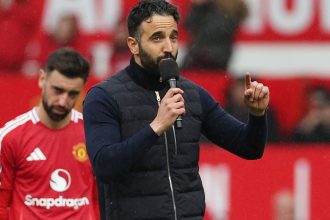
Upon facing criticism from the local press, Martin O’Neill defended his transfer policy, or lack of it, over the summer:
“I’m not remotely interested (in the criticism). Honestly I couldn’t care less whether I get unfairly criticised. What I will say is the business that we did in the last few days of August last year really made our season. You go by the rules and run that length of time. That’s absolutely fine, it’s not a problem.”
For O’Neill, there is merit is waiting until the time is right. The business that he refers to in the quote above are the signings of Stephen Warnock, James Collins and Richard Dunne within four days of each other and concluding on the 1st of September. Those signings made up three quarters of a backline that was amongst the best in the league. And perhaps for certain clubs, a move towards stability, rather than upheaval can do a team some good. Maybe one key signing is better than an influx of new faces?
Chelsea won the league last season without a marquee signing; adding Ross Turnbull, Daniel Sturridge and Yuri Zhirkov, none of whom were first team players. Having seen Manchester United win the league three years running it didn’t seem as though they were in a position to consolidate what they had, but the method of tweak rather than turnover paid off. By the same token, maybe the signings of Javier Hernandez and Chris Smalling will be enough for Manchester United this season.
When there is lack of football actually being played, fans look to anything associated to fill their minds, usually transfers. A year ending in an even number means that we have been fortunate enough to have a major tournament to keep us occupied, yet even that feels like one big scouting mission, on the player you never heard of being your club’s next big thing. As soon as the tournament is over, the football fan’s mind can only really concentrate on one thing, transfers: discussing problem positions, identifying potential targets, admitting who needs to be offloaded. Seldom is there the feeling of contentment, and no matter how successful the previous campaign has been, whether you need to improve or maintain, the answer is inevitably buying players.
So far this summer, no club, with the obvious exception of Manchester City, have been prolific in the transfer market. And perhaps this is the trend that will carry on from last season; fans were waiting for the big deadline deals, watching the SkySports countdown tick away in eagerness for a Tevez/Mascherano to West Ham style deal to be announced, but it never really happened. This summer may see a repeat, and a growing preference for smaller changes. A general tightening of the purse strings seems to be favoured, or even needed, by many Premier League chairmen, and maybe this is part of the reason for a lack of activity.
Clubs may not actually need to sign players to improve: Everton for example have a made a few small signings but arguably need to do very little. They have no real problem areas in their first eleven, and if they can avoid the injuries that they experienced last season then, what seems a settled and harmonious squad, are likely to enjoy a fruitful campaign.
The likes of Martin O’Neill know what they are doing when it comes to building a team, and taking a step back to assess seems like much better practice than spending money rashly for the sake of it on players that may not be needed. The relative calm of a quiet transfer window could go some way to benefitting a team in the long run, and so maybe now stability is what is needed.
Get updates on my articles and follow me on twitter.
*